


Sheikh Khaldoun Oraymet detained as probe into 'Abou Omar' scandal deepens
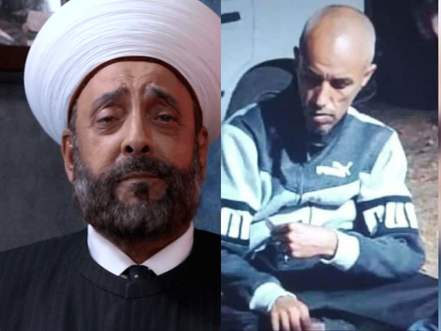
A judicial investigation into a sophisticated impersonation plot has sent shockwaves through Lebanon’s political establishment this week, as authorities peel back the layers of the “Abou Omar” scandal -- a years-long fraud that allegedly manipulated high-level government appointments and parliamentary votes.
The scandal peaked following the arrest of Mustafa al-Hassian by Lebanese Army intelligence agents. Al-Hassian, a car mechanic from the Akkar region, was apprehended while attempting to enter Lebanon from Syria.
Investigators allege that al-Hassian is the voice behind “Abou Omar,” a persona he used to impersonate a high-ranking Saudi prince. Utilizing a Gulf accent and international SIM cards, al-Hassian reportedly spent years courting Lebanese MPs, ministers, and party leaders, offering them political backing and "Saudi blessings" in exchange for financial contributions toward purported humanitarian projects.
The probe took a dramatic turn when State Prosecutor Jamal al-Hajjar authorized the detention of Sheikh Khaldoun Oraymet, a well-known Sunni cleric. Al-Hassian reportedly confessed to investigators that Oraymet acted as the intermediary, introducing him to influential politicians and lending the "fake prince" an air of religious and political legitimacy.
Sheikh Oraymet has fiercely denied the claims, dismissing the allegations as a "big lie" and a coordinated smear campaign. Meanwhile, al-Mustaqbal Movement issued an urgent communiqué on Friday, distancing its Secretary-General, Ahmad Hariri, from the scandal and branding reports of his involvement as "fabricated news" aimed at political sabotage.
The gravity of the scandal extends beyond mere financial fraud. Reports suggest that “Abou Omar” exerted direct influence over Lebanese constitutional processes. Several Members of Parliament reportedly received "Saudi directives" from the impostor during binding parliamentary consultations, potentially skewing the selection process for the Prime Minister and the formation of recent cabinets.
The investigation gained momentum after Saudi Foreign Minister Prince Faisal bin Farhan reportedly handed over a comprehensive file to Lebanese officials during a recent visit to Beirut. Saudi authorities had initiated their own probe after discovering that a fraudulent actor was communicating with Lebanese officials in the kingdom's name.
As of Friday afternoon, the Lebanese judiciary continues to interrogate al-Hassian and Oraymet, with sources close to the investigation suggesting that more high-profile arrests may follow as the list of victims -- and potential accomplices -- within the Lebanese state grows.


